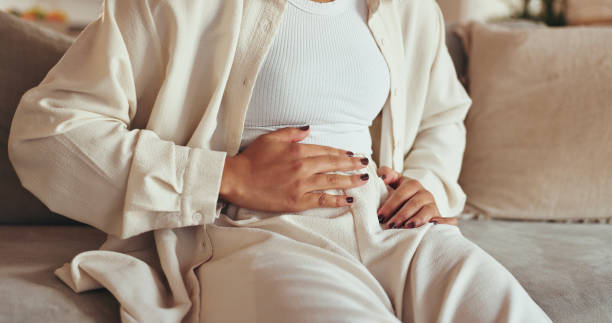
If you’ve ever been told your period pain is “just part of being a woman,” but it feels way beyond normal cramps—you’re not imagining it. For many, the culprit is endometriosis, a common condition that affects millions but is often misunderstood and underdiagnosed. The good news? Talking about it openly can help break the stigma and get more people the care they deserve.
What Is Endometriosis?
Endometriosis happens when tissue that looks and acts like the lining of the uterus (the endometrium) grows outside the uterus. This tissue still responds to hormones, meaning it thickens, breaks down, and bleeds each cycle—but with nowhere to go, it causes inflammation, scarring, and pain.
Common Symptoms
Endometriosis can show up differently in everyone, but common signs include:
- Painful periods (often severe).
- Chronic pelvic pain, even outside of your cycle.
- Pain during sex.
- Heavy or irregular periods.
- Digestive symptoms like bloating, constipation, or diarrhea (sometimes mistaken for IBS).
- Fertility struggles, as endometriosis can affect ovulation or cause scar tissue around reproductive organs.
Some people have mild symptoms, while others have pain so intense it interferes with daily life.
Why It’s Often Missed
On average, it takes years to get an endometriosis diagnosis. Why? Because period pain is often dismissed as “normal” or misdiagnosed as something else. Raising awareness and advocating for yourself at the doctor’s office is key.
How It’s Diagnosed
There’s no single test that can confirm endometriosis right away. Diagnosis may include:
- Medical history and symptoms.
- Pelvic exam or ultrasound to check for cysts.
- Laparoscopy (a minor surgery): the gold standard for confirming endometriosis.
Managing Endometriosis
While there isn’t a cure, there are many options for relief:
- Pain management: Over-the-counter or prescription medications can help.
- Hormonal treatments: Birth control pills, hormonal IUDs, or other therapies can reduce symptoms.
- Surgery: For more severe cases, removing endometrial tissue can ease pain and improve fertility.
- Lifestyle support: Exercise, diet changes, and stress management can also make a difference.
Living With Endometriosis
Endometriosis can feel isolating, but you’re far from alone. Many people find that once they get a diagnosis and a treatment plan, life becomes much more manageable. Support groups and open conversations can also help reduce the stigma and remind you that your pain is valid.
Final Thoughts
Endometriosis is real, common, and nothing to “tough out.” If painful periods or pelvic pain are interfering with your life, it’s worth talking to your OB/GYN. The sooner you have answers, the sooner you can find relief—and take back control of your health.