If you’ve heard of PCOS but aren’t totally sure what it means—you’re not alone. Polycystic Ovary Syndrome (PCOS) is one of the most common hormonal conditions affecting people of reproductive age, yet it’s often misunderstood. Between confusing symptoms, tricky diagnosis, and lots of myths, it can feel overwhelming. The good news? PCOS is manageable, and understanding it is the first step to feeling better.
What Is PCOS?
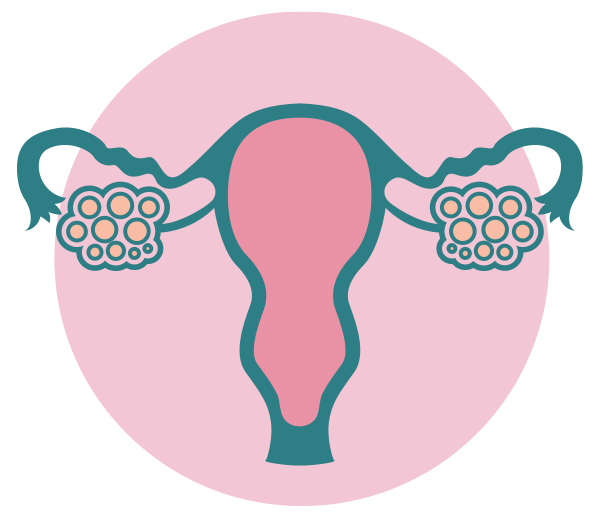
PCOS happens when the ovaries make more androgens (sometimes called “male hormones”) than usual. This hormonal imbalance can affect ovulation, periods, and even how your body processes insulin. Despite the name, you don’t actually have to have cysts on your ovaries to have PCOS—it’s more about how your hormones are working.
Common Symptoms
Everyone’s experience with PCOS looks a little different, but here are some signs:
- Irregular periods: Cycles that are too long, too short, or unpredictable.
- Excess hair growth: On the face, chest, or abdomen (called hirsutism).
- Acne or oily skin: Hormonal changes can affect the skin.
- Thinning hair on the scalp.
- Weight gain or difficulty losing weight.
- Fertility challenges: Irregular ovulation can make getting pregnant more difficult.
Not everyone has all these symptoms, and some people experience them more severely than others.
How PCOS Is Diagnosed
There isn’t a single test for PCOS. Your provider may use a combination of:
- Medical history and symptoms.
- Blood work to check hormone levels.
- Ultrasound to look at the ovaries.
Since symptoms overlap with other conditions, it sometimes takes time to get a clear diagnosis.
Why PCOS Matters
Beyond irregular periods or acne, PCOS can impact long-term health. People with PCOS have a higher risk of insulin resistance, type 2 diabetes, high cholesterol, and high blood pressure. That’s why early diagnosis and management are so important.
Managing PCOS
While there isn’t a “cure,” there are lots of ways to manage symptoms and improve health:
- Lifestyle changes: A balanced diet, regular exercise, and stress management can all help regulate hormones and improve insulin sensitivity.
- Medications: Birth control pills can regulate cycles and reduce symptoms like acne and hair growth. Other medications may be used to help with insulin resistance or fertility.
- Fertility support: If getting pregnant is a goal, treatments like ovulation medications or assisted reproductive technologies can help.
Living With PCOS
PCOS can feel frustrating, but it’s also very manageable with the right care. Many people find relief once they have a plan that works for their body and lifestyle. And remember—you don’t have to navigate it alone. Your OB/GYN can help guide you, answer your questions, and create a treatment plan that fits your goals.
Final Thoughts
PCOS is common, complex, and nothing to be ashamed of. Understanding your symptoms and working with your provider can help you take charge of your health and feel more in control. The most important thing? You’re not alone—support, answers, and effective treatments are out there.