
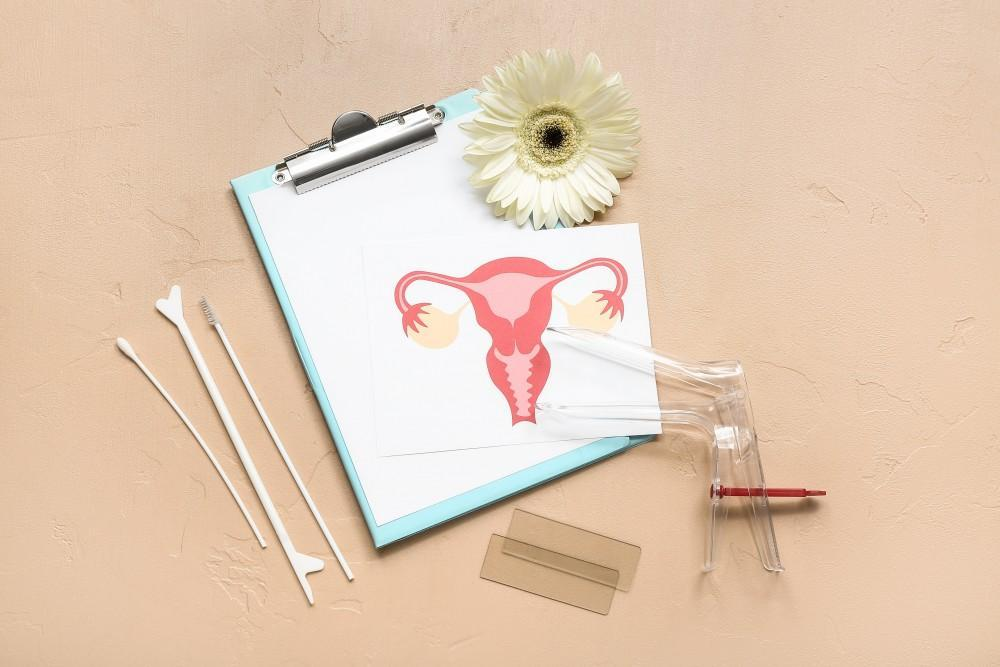
For many people, the idea of a Pap smear can feel a little mysterious—or even intimidating. Maybe you’ve heard the term but aren’t quite sure what it means, or perhaps you’re nervous about what actually happens during the test. The good news? A Pap smear is a simple, quick, and powerful tool that plays a big role in protecting women’s health.
Let’s break it down: what a Pap smear is, what to expect during the test, and why it’s so important for your long-term wellness.
What Exactly Is a Pap Smear?
A Pap smear—sometimes called a Pap test—is a screening tool that checks for abnormal cells on the cervix (the lower part of the uterus that opens into the vagina). These abnormal cells can sometimes develop into cervical cancer if left untreated.
By catching changes early, long before they become cancerous, Pap smears allow doctors to treat issues while they’re small and highly manageable. In other words, this tiny test can be lifesaving.
Why Are Pap Smears So Important?
Cervical cancer used to be one of the most common causes of cancer death for women. Today, thanks to Pap smears and HPV testing, it’s much less common—and often caught early when it’s easiest to treat.
Here’s why Pap smears matter:
- Early detection: They identify abnormal cells before they turn into cancer.
- Prevention: Treating those changes early can stop cervical cancer from developing altogether.
- Peace of mind: Most Pap results come back normal, but even if they don’t, it’s better to know early so you and your provider can make a plan.
When Should You Start Getting Pap Smears?
- Most people should start Pap smears at age 21, regardless of whether they’re sexually active.
- From ages 21–29, Pap smears are usually recommended every 3 years if results are normal.
- Starting at age 30, your provider may recommend either a Pap smear every 3 years or a combination Pap + HPV test every 5 years.
- After age 65, many people who have had normal results for years may no longer need them.
Your provider will guide you on what’s right for your specific health history.
What Happens During a Pap Smear?
If you’ve never had one before, here’s what you can expect:
- You’ll lie back on the exam table with your feet in stirrups.
- Your provider will gently insert a small device called a speculum into the vagina to help see the cervix.
- Using a tiny brush or swab, they’ll collect a sample of cells from your cervix.
- The sample is sent to a lab to check for any abnormal or precancerous changes.
The whole process usually takes just a few minutes. It may feel a little uncomfortable or like mild pressure, but it shouldn’t be painful. If you ever feel discomfort, let your provider know so they can adjust.
How to Prepare for Your Pap Smear
To help get the most accurate results, keep these tips in mind:
- Try to schedule your test for a time when you’re not on your period.
- Avoid intercourse, douching, or using vaginal creams or medicines for 48 hours before your appointment.
- Relax and breathe—your provider will talk you through each step.
What Do Pap Smear Results Mean?
- Normal: Great news! No abnormal cells were found.
- Abnormal: This doesn’t mean you have cancer. It simply means some changes were detected, and your provider may recommend follow-up testing or monitoring.
Abnormal results are actually quite common, and most changes clear up on their own. If treatment is needed, catching it early means it’s usually very effective.
The Role of HPV in Cervical Health
Most cervical changes are linked to the human papillomavirus (HPV), which is very common and spread through sexual contact. Often, HPV goes away on its own, but sometimes it causes cell changes.
This is why many providers now do HPV testing alongside Pap smears. Together, these tests give a clearer picture of cervical health and help guide next steps.
Final Thoughts
A Pap smear is a small test with a huge impact. In just a few minutes, it can help prevent cervical cancer, give you peace of mind, and put you in control of your health.
If you’re due for a Pap smear—or aren’t sure when your last one was—consider this your reminder to schedule an appointment. Your future self will thank you.
Remember: your OB/GYN team is here to make the process comfortable, answer your questions, and support you every step of the way.